
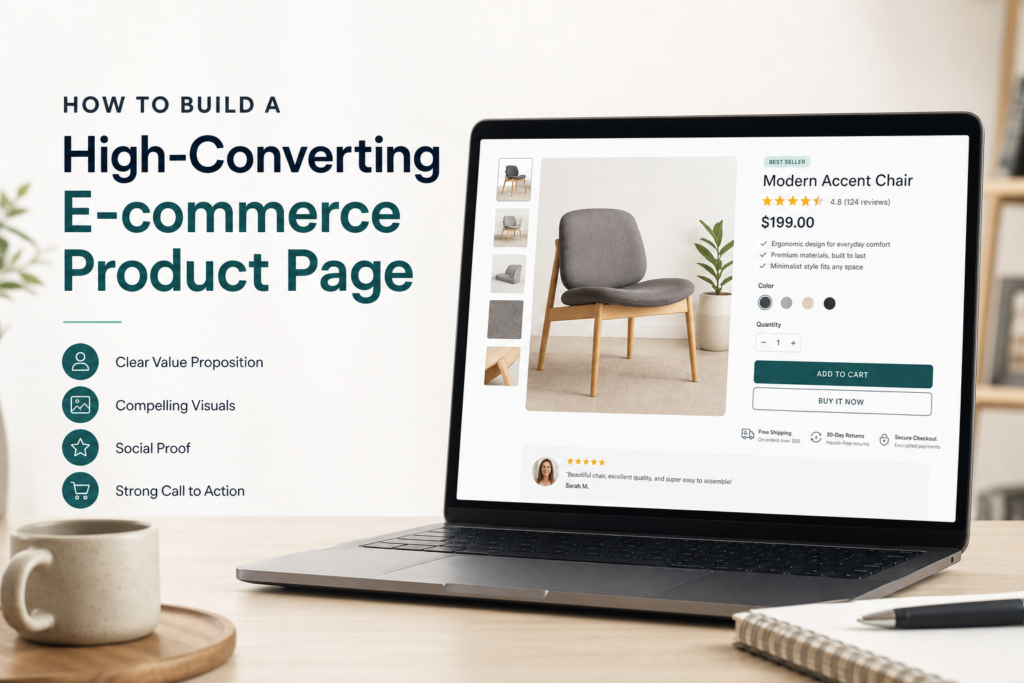
In the fast-paced world of e-commerce, a high-converting product page can make or break your sales. It’s not just about showcasing your products but also about crafting an experience that leads customers seamlessly to the checkout. Here, we’ll explore effective strategies to enhance your product pages, making them not only visually appealing but also conversion-focused.
Understanding Your Audience
The first step in creating a successful product page is understanding who you are selling to. Get to know your audience’s preferences, behaviors, and pain points. By aligning your product content with their needs, you can create a more compelling argument for why they should purchase from you.
Creating Buyer Personas

Develop detailed buyer personas to visualize your ideal customers. Consider factors such as age, gender, purchasing behavior, and interests. This will guide not only the design but also the language and imagery used on your product page.
Compelling Product Descriptions
Words matter. A well-crafted product description can significantly boost conversions. Focus on highlighting the benefits rather than just listing features. Use engaging language that resonates with your target audience.
Utilizing Emotional Triggers
Incorporate emotional triggers into your descriptions. Words that evoke a sense of urgency, exclusivity, or a narrative around the product can create an emotional connection, prompting customers to act quickly.
High-Quality Images and Videos
Visuals play a crucial role in e-commerce. Ensure you use high-quality images and videos that showcase your product effectively. Multiple angles, zoom options, and lifestyle images help customers envision owning the product.
The Power of Video

Consider adding product videos that demonstrate usage. Video can convey information in a dynamic way, helping customers understand the product better and increasing their likelihood of purchase.
Clear Pricing and Availability
Transparency is key in e-commerce. Clearly display the price, any discounts, and product availability. If applicable, indicate if a product is on sale or if there’s a limited-time offer to instill urgency.
Shipping Options and Return Policies
Provide detailed information about shipping costs, delivery times, and return policies. Clear policies build trust and can alleviate any concerns customers may have about purchasing.
Effective Calls to Action
Your call-to-action (CTA) should be prominent and persuasive. Use action-oriented language and design it in a way that stands out on the page. Phrases like “Buy Now” or “Add to Cart” should evoke urgency and clarity.
Incorporating Reviews and Testimonials
Social proof is a powerful motivator. Include customer reviews and testimonials on your product page to build credibility. Highlighting positive feedback can influence potential buyers’ decisions.
Encouraging User-Generated Content
Encourage customers to share their experiences with your products visually. User-generated content such as photos or videos from satisfied customers can enhance authenticity and trust.
Optimizing for Mobile
With an increasing number of people shopping on their mobile devices, ensure your product pages are mobile-friendly. The layout should be responsive, easy to navigate, and quick to load, providing a seamless experience across devices.
Analyzing and Iterating
Monitor your product page’s performance metrics to identify what works and what doesn’t. Leverage tools to track visitor behavior, bounce rates, and conversion rates, and regularly test different elements to enhance performance.
A/B Testing Best Practices
Implement A/B testing for various elements on your product page. Test different descriptions, images, CTAs, and layouts to discover what resonates the most with your audience.
Conclusion
Creating a high-converting e-commerce product page is an ongoing process that involves understanding your audience, crafting compelling content, and continuously optimizing based on data. By implementing these strategies, you can drive conversions and elevate your online sales performance.